Vojislav Ilić translation into French
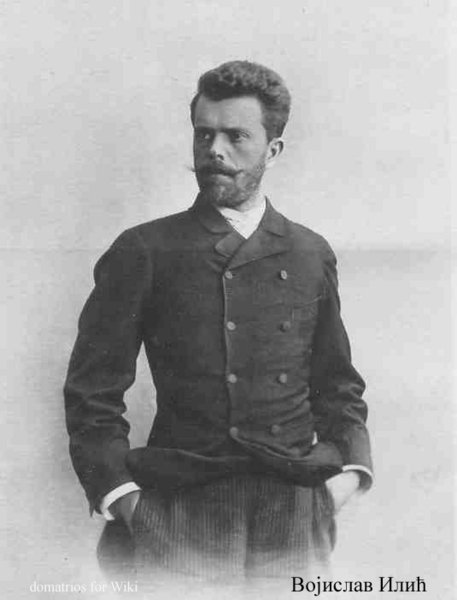
Већ се купе They are already gathering Већ се купе, већ се купе,Да попуне празне клупе,Да у сјајну ступе зграду,Уз пуцњаву и параду –Да уреде наше ствари,Избраници, скупштинари, Ја већ видим њина лица,Чујем хуку са седница,Видим да се добро спрема: Неко ћути, неко дрема,Неком ђаво неда мира,Неко ваздан протестира. Састали се ”наши”, ”ваши”,Опоненти, аминаши,Заузели сјајну зградуУз пуцњаву и параду, Да поредак врате стари –Избраници, скупштинари. Аминаши-скупштинари, И ви нови, и ви стари!Подла дела подлих људиПотомство ће да осуди,Гнушаће се деца вашаОд отаца-аминаша. Војислав Илић, 29 јун 1886. They gather, they gather, To fill the empty pews, To occupy the splendid building, Amid the salvos and the parade, In order to settle our cause, The elected officials, the deputies. I can already see their faces, I hear the tumult of the sessions, I see that good things are coming: One is mute, the other sleeps, To some, the devil gives no rest, Others protest ardently. “Ours” and “yours” Have gathered, Opponents and aminasi*, They took possession of the splendid building, Amid the salvos and the parade, To restore the old order – Our elected officials, our deputies. Aminasi*-deputies, You new and old alike! The vile deeds of vile men, Posterity will condemn them; Your children will blush with shame, Under the legacy of their defector fathers. Vojislav Ilić, June 29, 1886 . *The aminasi (or aminissiens) designate people perceived as political opportunists, changing parties according to the balance of power and access to power, without real ideological attachment. Their main characteristic would be to systematically acquiesce to the directions of their political leaders, saying “amen” to all decisions, hence the origin of the term. Војислав Илић Војислав Илић (Београд, 20. април 1860 — Београд, 2. фебруар 1894) био је српски песник. Рођен је у Београду као син песника Јована Илића, а имао је три брата међу којима је и књижевник Драгутин Илић. Први разред гимназије је понављао чак три пута, за три године. Касније је на своју руку „као ванредни студент ”похађао две године предавања из “права” у Великој школи. Међутим истовремено је активно учествовао у књижевном и политичком животу студентске омладине, али испите није полагао. Он не успева да добије никакву службу све до 1887. г. у време најплоднијег песничког рада проводи без икаквих материјалних средстава, припадајући оном слоју интелигенције ван државне службе, коју је у скупштини званично окарактерисан као „интелектуални шљам“. „Илићево песништво између 1886. и 1889. г. представља веома снажну политичку и социјалну критику Србије после српско-бугарског рата. У то време настале су Илићеве најпознатије политичке сатире уперене против омрзнуте владе која је водила и изгубила рат против Бугарске. Прва у том низу настала је песма Скупштинарима (Већ се купе…) у којој Илић заузима критички став према познатом изборном споразуму између радикала и либерала уочи скупштине у Нишу (од 30. јуна).“ Милорад Павић У животу умногоме је делио судбину других писаца свог времена: често је мењао послове у Београду и унутрашњости, живео у оскудици, велики део времена проводио у кафани и неуредним, боемским животом још више погоршао своје ионако слабо здравље, због политичких уверења бивао прогањан од власти, и умро млад. Иако је писао кратко време, свега петнаестак година, оставио је обимно и разноврсно дело. За живота је објавио три збирке песама (1887, 1889, 1892), којима треба додати велики број песама расутих по часописима и заосталих у рукопису. Vojislav Ilić Vojislav Ilić (Belgrade, April 20, 1860 – Belgrade, February 2, 1894) was a Serbian poet. He was born in Belgrade, son of the poet Jovan Ilić, and had three brothers, among them the writer Dragutin Ilić. He repeated the first year of high school three times, over a three-year period. Later, on his own initiative, as a “free student”, he followed law courses at the Grande École for two years. However, at the same time he actively participated in the literary and political life of student youth, without passing his exams. He did not manage to obtain a stable job before 1887 and, at the time of his most poetically fertile period, he lived without any material means, belonging to that layer of intellectuals outside the civil service that the Assembly had officially described as "intellectual waste". Ilić's poetry between 1886 and 1889 represents a very powerful political and social critique of Serbia after the Serbian-Bulgarian War (1885-1886). It was at this time that his most famous political satires were created, directed against the hated government, which fought and lost the war against Bulgaria. The first of these works is the poem To the deputies (“They are already gathering…”), in which Ilić adopts a critical position with regard to the famous electoral agreement between radicals and liberals on the eve of the assembly in Niš (June 30). In his life, he largely shared the fate of many writers of his time: he often changed jobs in Belgrade and in the provinces, lived precariously, spent a large part of his time in kafana (cafes, like those of the Enlightenment where people wrote, debated and thought) and led a bohemian and disorderly life which further deteriorated his already fragile health. Because of his political beliefs, he was persecuted by the authorities and died young. Although he only wrote for a short period, around fifteen years, he left behind an abundant and varied body of work. During his lifetime, he published three collections of poems (1887, 1889, 1892), to which must be added a large number of poems scattered in magazines and left in manuscript.