FJSE

Fédération des Jeunes Serbes d’Europe

Federation of Young Serbs of Europe

Федерација младих Срба Европе

Föderation der Jungen Serben Europas

Tourism

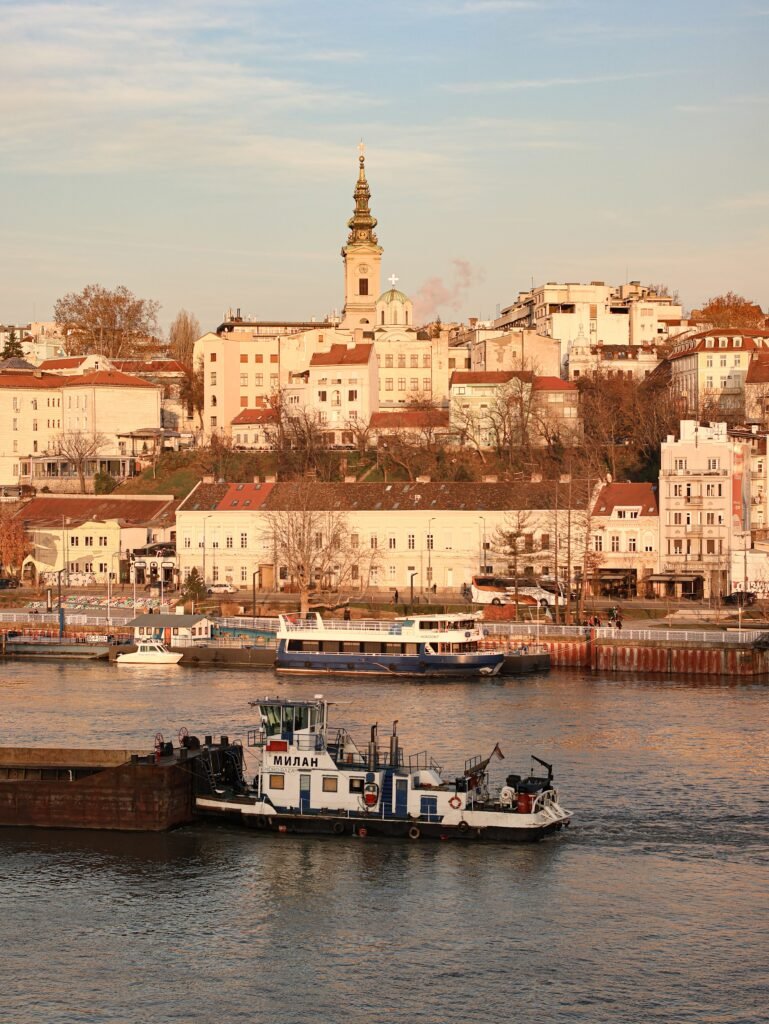
Vue sur belgrade
Tourism

Belgrade: indestructible city rising from its ashes

Belgrade, where the Sava embraces the Danube, a capital is told in whispers – and sometimes shouting. A name that carries a promise Beli — white. Grad — city. The white city. Some attribute this nickname to the limestone of the fortress, dazzling under the Serbian sun; others, to the brilliance of the Danube at daybreak. No matter: Bograd carries with it a promise — that of a city that, despite everything it has been through, continues to shine. And she's been through a lot. A story of destruction and rebirth Belgrade didn't just grow. It was built, razed, reconquered, bombed, burned — and rebuilt, again and again. Even before the arrival of the Slavs in the 4th century BC, the Celts had established Singidunum there. The Romans made it a prosperous military camp. With the fall of Rome, waves of invaders followed one another: Huns, Avars, Byzantines, Bulgarians – each empire saw it as a strategic barrier. In the Middle Ages, the city became the capital of the Kingdom of Serbia under Stefan Lazarević, before the Ottoman shadow extended over the Balkans. The Ottomans captured Belgrade in 1521 and remained there, with some Austrian interruptions, until 1867. Three and a half centuries of minarets and hookah cafés. Then came modern Serbia, two world wars – Belgrade was one of the most bombed cities of the 20th century – Tito's Yugoslavia, the disintegration of the 1990s and the NATO strikes in 1999. Each time, the city got back up and reinvented what it wanted to be. Ten secret places where Belgrade really reveals itself Kalemegdan has dominated the confluence of the two rivers for millennia. Its walls bear the scars of at least forty battles; today, they especially invite contemplation, the gaze lost towards Novi Beograd in the amber light of the evening. Topčider Park , long frequented by princes, retains the elegance of times gone by. Its avenues of century-old trees offer a haven of freshness away from the hustle and bustle. The Avala , a gentle mountain a few kilometers from the capital, is the natural escape for Belgraders — deep forests, quiet trails and a panorama encompassing the entire city. Belgrade Waterfront embodies the city of the 21st century: on the banks of the Sava, the slender Kula Beograd has become a new icon, surrounded by cafes and promenades facing the river. The Temple of Saint Sava , with its dazzling whiteness and cetadon green dome, watches over the city from Vračar Hill. The interior dazzles with its golden mosaics — a place where spiritual grandeur speaks for itself. Princess Ljubica's Konak , a 19th-century mansion a stone's throw from the cathedral, immerses the visitor in the beginnings of independent Serbia – refined salons and sculpted furniture at the crossroads of empires. Tašmajdan Park is based on the memory of ancient quarries. A meeting place for families and students, in the evening it takes on an almost theatrical atmosphere under its soft lights. Knez Mihailova Street , an elegant pedestrian artery, connects modern entertainment with period facades. It is here that the pulse of Belgrade is at its most joyful. The National Museum , facing Republic Square, brings together treasures from antiquity to contemporary art — a journey through the layers of Serbian and European culture. Skadarlija , a cobbled and bohemian alley, is the Belgrade Montmartre. In the evening, violins and laughter mingle in a timeless atmosphere that reveals the popular soul of the city. 3 legendary figures who grew up in Belgrade Marina Abramović , born in 1946 into a family of Yugoslav war heroes, drew discipline and rebellion from Belgrade — two sides of the same coin. Before becoming “the grandmother of performance art,” she walked these streets searching for the limits of her own body. In his resistance we read something profoundly Belgrade: this capacity to endure and be reborn.   © Francesco Pierantoni / Flickr — CC BY 2.0 Dragoš Kalajić , painter and philosopher born in 1943, is a more secret figure in the Serbian cultural imagination. His monumental paintings, nourished by symbolism and medieval tradition, reflect a complex reflection on European identity. Controversial, unclassifiable, he embodies this intellectual Belgrade which thinks against the world. Mihailo Petrović Alas , a mathematician born in 1868, is perhaps the city's most internationally unknown son — and one of its most brilliant. A student of Henri Poincaré in Paris, founder of the Serbian mathematical school, he published pioneering work in the theory of differential equations. But the Belgraders nicknamed him Alas — the fisherman — because this man navigated between theorems and the Danube with the same quiet grace. The night and the table in Belgrade The Belgrade night begins on the water. Splavovi — pontoon clubs moored on the Sava — mix the informal and the intense, the music rising while the city lights are reflected in the current. On land, Béton Hala offers a cutting-edge electronic scene in an industrial setting; La Fayette maintains a rare musical requirement; Gradska Kafana Club combines tradition and contemporary nightlife. But the real soul of the night is found in Skadarlija, in the kafane where violins play until dawn and the local wine flows without calculation – no dress code, just candles, the smell of toast and voices singing in unison without realizing it. On the dining side, Radnički na Novom Beogradu keeps the secrets of popular Serbian cuisine with generous portions and honest prices. Miris Zavičaja — “the scent of the native country” — offers careful traditional cuisine that crosses regions and seasons. For the morning burek, the Ruža and Tripković bakeries still pass on their know-how without compromise. And Crna Ovca — the Black Sheep — has made ice cream an art in its own right: unexpected flavors, worked textures, unreasonable generosity. Belgrade can be visited as much with the eyes as with the heart. Indomitable and tender at the same time, this city was never made for rushing — any more than
Brus
Tourism, Uncategorised

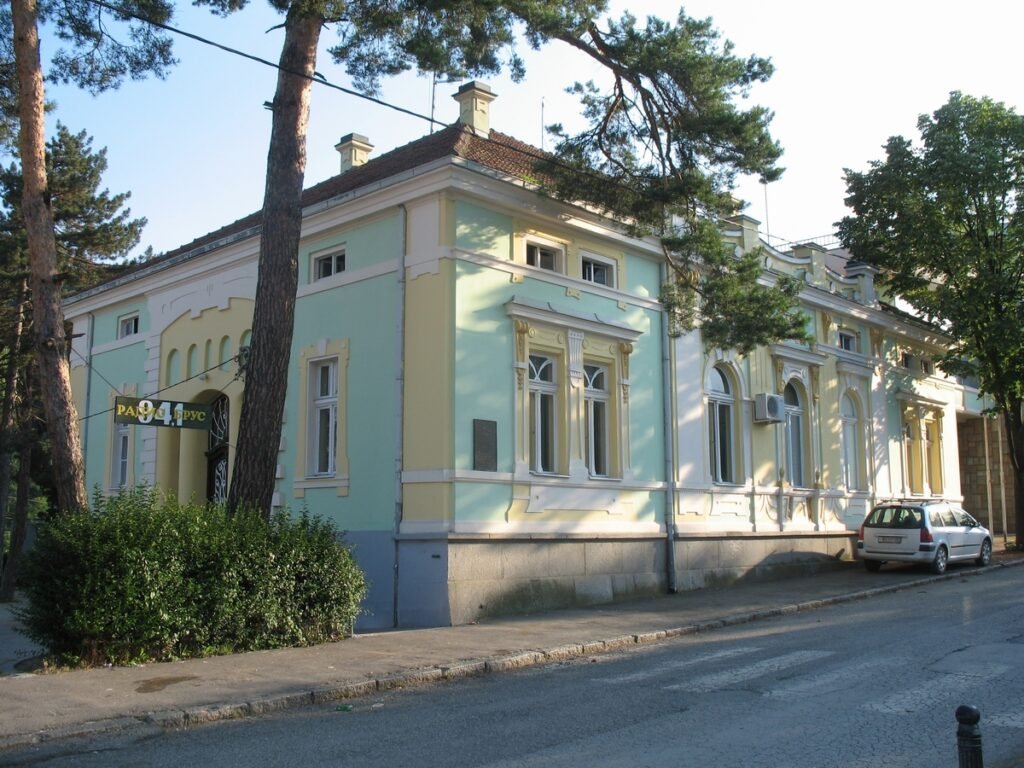
Brus, a Little Town at the Foot of Kopaonik that Smells of Tradition

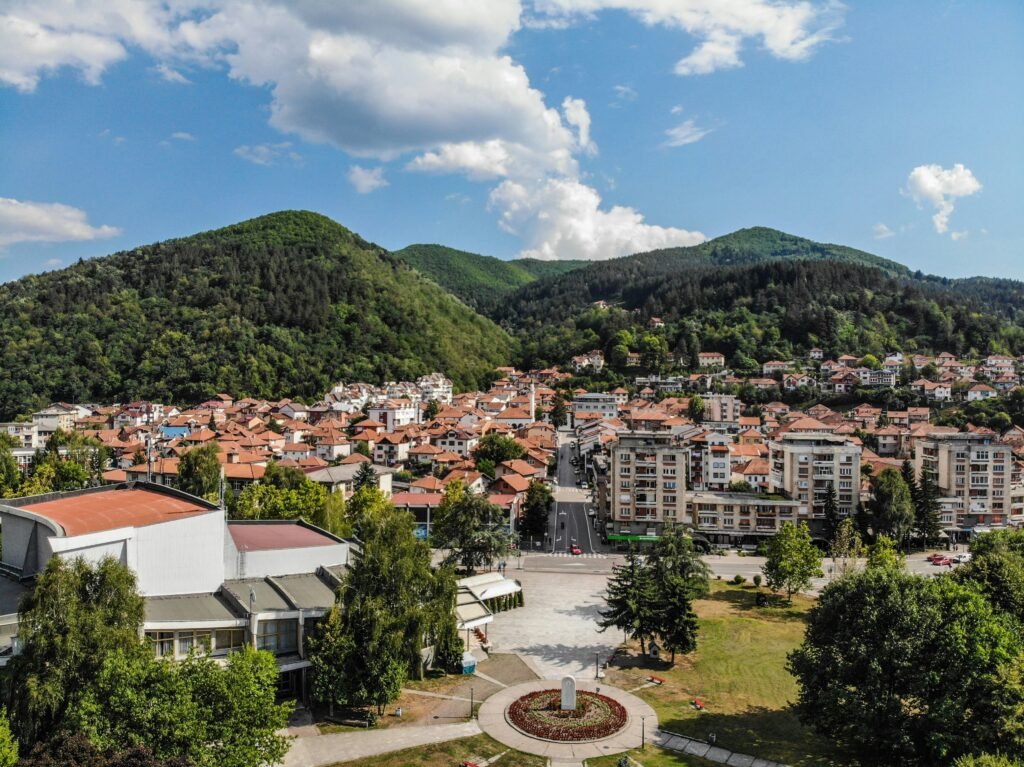
History’s Traces at the Heart of Kopaonik Brus, as a town, appears in 1833, when Prince Miloš Obrenović ordered that a church be built “at Brus” and that a settlement be formed as a strategic stronghold for the defence of Župa and Kopaonik. The very name is explained by the shape of the land between the Rasina and Graševačka rivers, which resembles a sharpening stone. However, the roots of the surrounding villages go much further back in time. Their names are recorded in medieval sources from the 14th century and in Ottoman records from the 15th century, and they most often originate from the occupations of their inhabitants, the natural features of the landscape, or legends that preserved memories of old battles and settlements. Thus, names such as Đerekari and Zlatari point to falconry and gold washing, Graševci to Roman smelting sites, Razbojna to the battles of Prince Lazar and John Hunyadi, while the folk legends of Kobilje and Žilinci (Žiljci) preserve traces of resettlement after the Battle of Kosovo. Many settlements were named after trees—Vrbnica, Drenova, Grabovnica, or Lipovac—while others reflect the occupations of their first settlers, such as Tršanovci, Ribari, while the village of Kriva Reka was named after the distinctive course of the river of the same name. The villages of Brus thus preserve to this day the layered history of the Kopaonik region: traditions, beliefs, and memories woven into their names remain a lasting testimony to the lives of ancestors and the rich cultural heritage that shaped this area. To Chase the Aroma of Food Nestled at the foot of Kopaonik, Brus is a small town that at first glance seems calm and unassuming, but behind its simplicity lies a special warmth and spirit rarely encountered. One cannot head toward Kopaonik without passing through Brus—a little town that, right at its entrance, already radiates tradition, a hospitable atmosphere, and flavors that are remembered. The first stop, without hesitation, should be the pastry shop “Pčela.” It was opened back in 1928 by Halim Ismailović, and ever since then, for almost a century, the family has preserved the same taste, the same way of working, the same warmth. Four generations have carried on this tradition, and the burek from “Pčela” has an almost mythical status in Brus. Crispy, warm, just the right amount of rich—one bite is enough to understand why no one from Brus passes by “Pčela” without stopping in. You won’t even need the address—just ask anyone on the street, and everyone will point you there. If you stay a little longer, just a bit further you’ll find the pizzeria “Chiasso,” opened on January 3, 1999. It was named after a small town in southern Switzerland, near the Italian border, but its spirit and flavors are truly Italian. Since the day it opened, the pizza recipe has never changed—and I can say that from my point of view, it must not be changed. Their pizza bread with bacon is simply something you must not miss. The New Star of Brus Today, Brus is becoming an increasingly important stop for tourists heading to Kopaonik, as the renovated hotel “Zvezda” will soon shine again in a new edition—a symbol of the town and once a favorite gathering place. The hotel’s new capacity will allow Brus to receive a larger number of visitors and enable more people to experience this region the way those of us who were born here know it—slowly, with no rush, with a view of the mountains. Brus’s Summer Rhythm During the summer, the rhythm of life in Brus slowly shifts toward the large Olympic swimming pool, located below the city stadium, right next to the promenade along the Rasina River. Everything seems to flow there naturally—as if the place itself knows that it is Brus’s summer center. Voices of children learning their first dives mix with athletes training from early morning, people taking walks pausing to find a bit of shade, and senior citizens who come just to sit, lean back, and listen to the Rasina flowing by. That space, both calm and full of life, carries a special energy that Brus only has in the summer—a rhythm that is not loud, but present, easily felt, almost gentle. Together, it makes summer Brus breathe more slowly, widely, and deeply, just like the water that runs beside it. izvor: Brus ONLINE – Naslovna The View that Uncovers Župa Just about ten kilometers away, above the Rasina valley and rising from the slopes of Mount Željin, stands the old town of Koznik—a medieval fortress from the 14th century, built at an altitude of 921 meters. Koznik Fortress was once an important stronghold in the time of Prince Lazar, and today only its stone walls remain—silent witnesses of past centuries, still testifying to the rich history of this region. From Koznik, the view stretches across the entire Župa area, and anyone who climbs up there understands how quietly beautiful this part of Serbia truly is. And when one feels the simplicity and ease of Brus, it becomes clear how often life outside it is rushed, hurried, and not always lived with quality. Brus reminds us that there is a pace that allows things to be felt and experienced, not just passed through. izvor: yt/Oaza Teodora Jezdic, 5 December 2025 Useful links:  Official town site: https://www.brusonline.com/ Hotel Zvezda: https://www.turizamopstinebrus.rs/accommodation_view.php?id=17 Cover image: from CrniBombarder!!! under the patronage of  GNU Free Documentation License, Version 1.2 Editovala: Milica KLAJIC

OLYMPUS DIGITAL CAMERA
Tourism, Uncategorised

Jagodina, A City Rooted in Tradition and Looking Toward a Bright Future

Jagodina is a city located in central Serbia, known for its long history, rich culture, and the warm hospitality of its residents. With around 35,000 inhabitants, it represents an important center of the Pomoravlje region and Šumadija, and for centuries it has been a place where different cultures and influences have met. History and Development The history of Jagodina dates back to Roman times, as confirmed by numerous archaeological findings in the surrounding area. During the Middle Ages, this region was part of the Serbian medieval states, and under Ottoman rule Jagodina went through various phases of development and change. Nevertheless, the city managed to preserve its identity and traditions. In the modern era, Jagodina became known as an industrial and economic center. The textile, food, and metal industries were developed, providing employment for many residents and contributing to an improved standard of living. Culture and Education The culture of Jagodina holds a special place. The city is rich in theatres, museums, and galleries that preserve and promote art and tradition. The National Theatre in Jagodina is known for its high-quality performances and its contribution to the cultural life not only of the city but of Serbia as a whole. Education is one of the city’s priorities. Jagodina has several primary and secondary schools, as well as various educational centers that provide young people with opportunities to gain knowledge and skills. The local community invests significantly in the development of education, understanding that young people are the key to the city’s future. Nature and Tourism The surroundings of Jagodina are rich in natural beauty. The proximity of the Velika Morava River and green forests provides ideal conditions for rest and recreation. Within the city itself, there are several parks and green areas that are popular spots for walking and family leisure. The tourist attractions of Jagodina are becoming increasingly diverse. It is especially known for its Zoo, one of the most visited in Serbia, which is a favourite destination for both children and adults. In addition, there is the Aqua Park Jagodina, a modern water park that attracts visitors from across the country and beyond. Image : Cveleglg, licence CC BY 4.0. Sports and Recreation    Sport plays an important role in Jagodina. The city has a rich sporting tradition and successful clubs in various disciplines such as handball, football, basketball, and athletics. Sports fields, halls, and recreational centers are available to all citizens, contributing to a healthy lifestyle and stronger social connection. Image : Draganstojkov007, pod pokroviteljstvom  Creative Commons Attribution-Share Alike 3.0 Unported People and Community The most important resource of Jagodina is its people. The residents are known for their warmth, hospitality, and sense of togetherness. Traditional values such as respect for family, work, and friendship are still deeply rooted in everyday life. The community is active and often organizes various events, humanitarian actions, and cultural gatherings that strengthen social bonds. The Future of Jagodina Jagodina is a city that is constantly looking ahead. Investments in infrastructure, education, culture, and tourism form the foundation for a bright future. The local authorities, together with the citizens, are working to make the city an even better place to live, with opportunities for youth development and for talented people to stay and grow. For me, Jagodina is more than a city—it is a place where dreams are born, where tradition is nurtured, and where the future is built. A city where I am proud to live and to contribute to its development. Tania Nikolić, 14 November 2025 Useful links:  Official town website: Град Јагодина – Град будућности – Насловна страница – Добродошли Aqua Park Jagodina: Aqua Park Jagodina  Cover image: Ванилица — under the patronage of Creative Commons Attribution-Share Alike 4.0 International

Pexels vlasceanu 25600469
Tourism, Uncategorised

The Natural Beauty of Serbia: The Quiet Strength of the Balkans

When we think of Serbia, we often first think of history, folk traditions, food, or sports. But what we sometimes forget or simply take for granted is nature. And Serbia’s nature truly has a lot to offer. From green mountains to powerful rivers, from peaceful lakes to dense forests and vast plains, with around 4,300 species of vascular plants (flowering plants and ferns), this country hides landscapes that can surprise even those who think they already know it well. Serbia’s Mountains Mountains are a special part of Serbia’s story. Tara, Kopaonik, Zlatibor, and Stara Planina—each of them has its own rhythm, its own scents, colors, and stories. Tara is perhaps the quietest among them, perfect for those seeking peace and a close connection with nature. There you can still come across places with no reception, but with a silence that we no longer hear in cities. Kopaonik is already a well-known destination for skiing and tourism, but in the summer, when everything calms down, it becomes a mountain of golden meadows, walking trails, and open skies. And all of this, within easy reach. Serbia’s Rivers and Caves The rivers are a story of their own. The Danube is vast and powerful, carrying with it the history of entire nations. The Drina is wild and green, perfect for rafting and for those moments when you just want the water to speak instead of you. The Morava, Sava, and Lim—each river has its own audience, but together they form a network of life that connects one end of the country to the other. Caves, springs, and lakes in Serbia are often unknown to most people, yet they are true little wonders. The Resava Cave, for example, looks like an underground castle. Lakes such as Perućac, Uvac, and Zaovine offer not only swimming and relaxation—they are also home to rare bird species, plants, and a kind of peace that cannot be put into words. A special experience is flying over the meanders of the Uvac River, where you can see the griffon vulture circling high above the canyon. Such images stay in your memory forever. And the most beautiful part—there are still areas of Serbia untouched by tourism, villages reached only by gravel roads, valleys accessible only on foot, forests crossed only by the wind and the occasional trace of wild animals. There, nature is not a backdrop—you are part of it. And that is perhaps the most valuable thing Serbia offers today. That is why, instead of constantly looking outward, it is sometimes worth stopping and looking around. Maybe right there, behind the next hill, there is a view waiting that will change the way you see everything. Tania Nikolić, 25 Jun 2025

Narodni muzej Šabac 01
Tourism

Šabac, the Serbian soul in its purest form

Just an hour's drive from Belgrade , Šabac is an ideal destination to discover an authentic Serbia, between historical heritage, peaceful nature and living traditions. Located along the Sava River, this town with provincial charm seduces with its friendly atmosphere, its cultural richness and its gentle way of life. If you are looking for a destination still preserved from mass tourism, where history, gastronomy and local festivities meet, Šabac deserves a place on your itinerary. What to visit in Šabac? Sabac Fortress Dominating Šabac , the city fortress is much more than just a monument: it embodies the eventful history of a region located at the crossroads of empires and civilizations. Built and rebuilt several times between the 15th and 18th centuries, it bears witness to the successive struggles between the Ottoman Empire and the Austro-Hungarian Empire for control of this strategic territory. Šabac was for a long time a border town, marked by wars, resistance and political upheavals which profoundly shaped Serbian history. Walking through its stone ramparts, we still feel the weight of this past: each wall seems to tell the story of the sieges, the conquests and the periods of reconstruction which forged the national identity. From its towers, the panoramic view of the city and the river today offers a striking contrast between the serenity of the landscape and the historical memory of the place. This walk thus becomes a real journey through time, where history is breathed into every step. The city center The city center extends this historical immersion while revealing a lively and warm atmosphere. Easy to navigate on foot, its bustling pedestrian street is lined with elegant facades, old buildings and traditional cafes that bear witness to the town's prosperous past in the 19th century, when Šabac was one of Serbia's most dynamic economic and cultural centers. The architecture reflects Ottoman and Austro-Hungarian influences, symbols of the different dominations which marked the region and shaped its cultural identity. Strolling through these streets, enjoying an espresso or a local pastry, we observe the daily rhythm of the inhabitants and we discover a city where the past and the present coexist harmoniously. This special atmosphere makes Šabac an emblematic place of Serbian resilience, where cultural wealth has been built through the trials of history. Kaona Monastery For those seeking calm and spirituality, the Kaona Monastery is an essential stopover. Founded in the 14th century, at a time when monasteries played an essential role in preserving Serbian culture, faith and identity in the face of invasions, this place has deep symbolic importance. During periods of Ottoman rule, these shrines were centers of spiritual and cultural resistance, where Orthodox tradition and Serbian heritage were protected and passed down from generation to generation. Located in the heart of unspoilt nature and surrounded by forests, the monastery today offers a soothing setting conducive to contemplation. The silence, the singing of birds and the mystical atmosphere of the place invite you to slow down and feel the spiritual dimension which occupies a central place in Serbian history and culture. Photo of Kaona Monastery — © Mikisa84 , under Creative Commons Attribution-Share Alike 3.0 Unported license. National Museum The city's national museum allows you to deepen your understanding of this complex past. Through its archeology collections and exhibitions dedicated to the Ottoman era, regional conflicts and major social transformations, it retraces the events which marked Šabac and made it one of the cities with the most significant history in Serbia. In particular, we discover the crucial role of the city during the great European upheavals and conflicts which deeply affected the local population. Photo by Narodni muzej Šabac — © Nikolina Šepić, under Creative Commons Attribution-ShareAlike 4.0 license (CC BY-SA 4.0). The Cathedral of Saint Peter and Saint Paul The Cathedral of Saint Peter and Saint Paul in Šabac , located in the heart of the city, completes this historical and cultural discovery. Representative of Serbian religious architecture, it illustrates the importance of the Orthodox faith in daily life and in the construction of national identity. More than a place of worship, it symbolizes the continuity of traditions and the spiritual strength of a people whose history has been marked by numerous trials. Important people who marked the town of Šabac Desanka Maksimović (1898–1993) Desanka Maksimović is the greatest Serbian poet and the most widely published and awarded Serbian writer of her century. Before conquering Serbian literature, it was in Šabac that she settled, as a teacher in a high school in the city – a discreet but founding chapter in her life. It was in this town of Sava, in contact with her students and the Serbian provincial soul, that she continued to refine her pen and forge her literary sensitivity. During her career spanning more than 70 years, she produced around fifty books and became a member of the Serbian Academy of Sciences and Arts. Šabac can thus pride itself on having welcomed and inspired the one that an entire nation simply calls “our Desanka”. Stojan Novaković (1842–1915) Stojan Novaković , born in 1842 in Šabac, was a philologist, historian and politician, one of the most notable intellectual figures of 19th century Serbia. Like his hometown, he carried within him this rare blend of cultural depth and civic commitment. Šabac, which printed the first Serbian newspaper in 1883, was already a city of thinkers and builders. Strolling along the banks of the Sava is walking in the footsteps of those who wrote the history of a nation. Vladimir Jovanović (1833–1922) Vladimir Jovanović is one of the most remarkable intellectual figures that Šabac gave to modern Serbia. Born in this Sava town on September 28, 1833, this leading economist, journalist and politician would embody, throughout a life spanning almost an entire century, the liberal ideal in its most demanding and courageous aspects. Trained in Germany, where he acquired a solid economic and agronomic culture, he returned to Serbia with a conviction anchored in his body: political freedom and

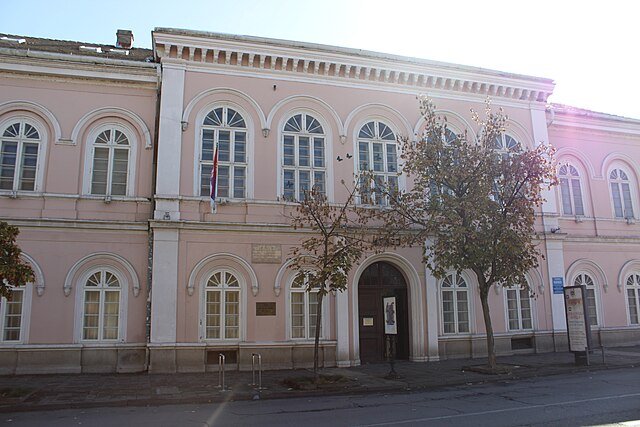
Zgrada starog načelstva (opštinska zgrada ) u Požarevac
Tourism

Požarevac, a small town with big stories

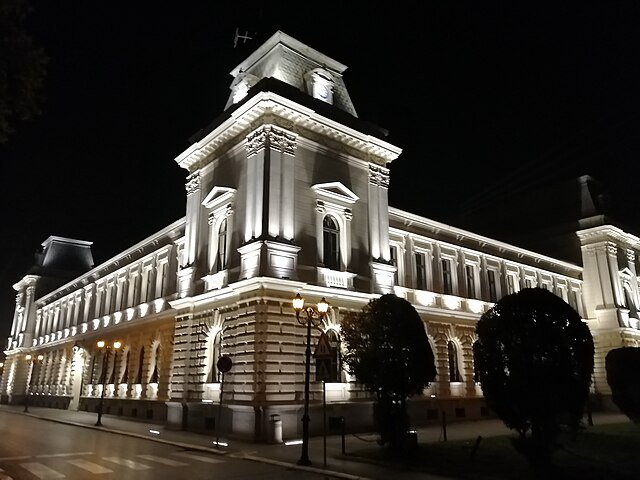
Only seventy-five kilometers from Belgrade, Požarevac surprises with this rare contrast: a town modest in size, but prestigious in the events it has experienced. In this eastern Serbian plain, borders, powers, and sometimes even imperial destinies were decided. You only need to stop there for a moment for the city to reveal its importance. The origin of the name Its name already carries a story: in Serbian, požar means fire. Požarevac would therefore be, literally, “the city of fire”. Some see the mark of a fire, others prefer the legend of Lord Zmaj Ognjeni Vuk, who is said to have set fire to the reeds of a marsh to flush out Ottoman soldiers. Fire as metaphor, fire as memory. The history of Požarevac Officially founded in 1467, the city already existed before as a strategic settlement, at the crossroads of three rivers. However, it is its “entrances” into History that make it exceptional. In 1718, Požarevac found itself at the heart of a diplomatic coup: the Treaty of Požarevac ended the Austro-Ottoman war and redrew the map of the Balkans. Belgrade and several territories come under Habsburg control, the Ottoman Empire retreats. For a few months, this city became the place where balance was decided in South-Eastern Europe. At the beginning of the 19th century, Prince Miloš Obrenović made Požarevac his second capital and established the first modern court in Serbia there in 1821. Power is structured, the State is rebuilt, and Požarevac displays its ambition. During the 1834 census, the district of Požarevac was the most populated after Belgrade, proof that the city does not just shine: it attracts. Content adapted from a work licensed under CC BY-SA 4.0 – original author: Ljupko Curcic, source: File:Ljupko Curcic – Okruzni sud u Pozarevcu, Srbija.jpg – Wikimedia Commons Požarevac, memory of the Empire But to understand the extent of his influence, we have to go back even further. In Kostolac, one of the two municipalities forming the current city, is Viminacium, ancient Roman capital and camp of Legion VII Claudia: amphitheater with 12,000 seats, thermal baths, residential areas, more than 16,000 excavated tombs and even a fossil mammoth. The site is one of the richest of its kind in South-Eastern Europe. A local company, Drvo AS (wood company in Ćirikovac, village between Požarevac and Kostolac), contributed to the construction of the Viminacium museum by producing wooden doors: a beautiful example of ancient heritage linked to today's economy. Content adapted from a work licensed under CC BY-SA 4.0 – original author: Tosva , source: File:Eksponat Narodni muzej Pozarevac 05.jpg – Wikimedia Commons . Čačalica, memory of Požarevac Overlooking everything, Čačalica Hill (208 m) dominates Požarevac like a silent watchtower. Its soft relief contrasts with the historical charge it carries. The memorial park located there is not only a green space: it is a place of contemplation, dedicated to the resistance fighters of the Second World War, to their courage, to their sacrifices. The paths invite you to walk slowly, almost respectfully, while the surrounding calm amplifies the solemnity of the place. At the top, the “Zvezda” monument points towards the horizon. Clean and powerful, it captures the light and the gaze, linking the past to the present. Here, memory rises, and contemplation naturally imposes itself, between open sky and history engraved in silence. Content adapted from a work licensed under CC BY-SA 4.0 – original author: Bojan Cvetanović , source: File:Spomenik slobode i pobede nad fašizmom „Zvezda“, Požarevac.jpg – Wikimedia Commons . Požarevac celebrating: Ljubičevo Games But Požarevac also knows how to party. Every early September since 1964, the Ljubičevo Equestrian Games transform the city into a living theater of tradition and emotion. Born around the Ljubičevo stud farm, one of the oldest equestrian facilities in Serbia — founded in the 19th century on the orders of Prince Miloš Obrenović and renamed by his son in homage to Princess Ljubica — these games celebrate the horse, the skill of the riders and the values of bravery that are part of the local soul. For three days, Požarevac comes alive with a carnival of historic parades, frantic races, jumping competitions, relays and spectacular events combining medieval skill and equestrian sport. Among the highlights is the prestigious Ljubičevski višeboj , a pentathlon where competitors demonstrate their mastery with sabre, bow, spear throwing and even relays — a living homage to the chivalric arts of yesteryear. But the games are not limited to the racecourse: they invade the city. A large parade welcomes residents and visitors through the streets of Požarevac, followed by concerts, entertainment and festive moments which make this event a major cultural event in the local calendar. Each edition attracts thousands of spectators, who come to applaud the sporting performances, but also to enjoy the music, shows and the friendly atmosphere which reigns until late at night. Thus, while the hippodrome celebrates the strength and agility of the horse, Požarevac is ablaze with joy and color: a city of history which, each year, exchanges its airs of cultural bastion for those of a popular arena where tradition and festivities mingle brilliantly. Prominent figures from Požarevac Požarevac is not only told through its stones or its landscapes, but also through the women and men who have marked its history. From the struggle for independence to modern artistic creation, the city has seen the birth or flourishing of figures whose influence goes far beyond local borders. Milenko Stojković (1769–1831) was one of the major military leaders of the First Serbian Uprising against the Ottoman Empire. A respected commander, he played a decisive role in the liberation of eastern Serbia, particularly in the Požarevac region. A formidable strategist, he embodies the transition between local resistance and the birth of a modern Serbian state. His action is part of a broader movement for the emancipation of the Balkan peoples, making him an important figure not only for Serbia, but for the European history of national struggles. Petar Dobrnjac , another commander of the First Serbian

OLYMPUS DIGITAL CAMERA
Tourism

Jagodina, little-known pearl of central Serbia

Discover Jagodina, a historic town in the heart of Serbia. Between heritage, museums, gastronomy and nature, explore this little-known pearl of the Morava valley. History and heritage of Jagodina From the Roman road to the Serbian dynasties In the heart of the Morava valley, lies Jagodina, a town with ancient history and discreet charm. First mentioned in the 14th century in the documents of Princess Milica, Jagodina owes its importance to its strategic position next to the ancient Roman road linking Rome to Constantinople via the Morava valley. Even today, the surrounding area is full of little-known archaeological sites, particularly around Rekovac, testifying to the historical richness of the region. Thanks to its geographical location and dynamism, Jagodina has always played a key role — whether in the Ottoman era, during the Serbian uprisings of Karadjordje and Prince Miloš, or later during the Kingdom of Yugoslavia. The Pomoravlje district, of which Jagodina is the capital, was then an important center of economic and cultural activity. From crafts to industry: the rise of Jagodina The arrival of Slovak, Czech and other Central European immigrants contributed to the city's industrial and intellectual growth. Very quickly, Jagodina distinguished itself in the production and export of butchery products – pork, chicken and turkey – thanks to renowned companies like Klefiš and Yuhor. This specialization has also earned the inhabitants an affectionate nickname: the “turkeys” of Jagodina. One of the first Serbian breweries was opened there in 1852 and operated until the 2010s. After the Second World War, the city modernized at high speed, driven by the famous cable factory, once a flagship of Yugoslav industry that Marshal Tito liked to present to the leaders of the non-aligned movement. Jagodina, educational and cultural center of the Morava valley Today, despite the demographic decline that followed the Yugoslav wars, Jagodina remains the administrative and cultural center of Pomoravlje. It is home to one of the oldest teaching faculties in Serbia, attached to the University of Kragujevac, which has been training generations of teachers and educators since 1898 for almost a century and a half. What to do and see in Jagodina? For a town of around 10,000 inhabitants, Jagodina surprises with its cultural vitality: three museums welcome visitors. The Museum of Naive Art, known throughout the world, the Heritage Museum retracing 6,000 years of regional history, and finally the Wax Museum, which presents the most significant figures in Serbian history. The municipal park, with its artificial waterfall, is an unmissable place for a walk, as is the famous Aqua Park , opened in 2009, one of the first of its kind in Serbia. Nearby, the Levač and Lozovik wine route invites you to discover the surrounding vineyards and villages. For animation fans, Jagodina hosts the Animator Fest every year, the international animated film festival. This unmissable event brings together directors, students, enthusiasts and professionals from all over Europe to celebrate creativity and innovation in animated cinema. Organized at the Jagodina Cultural Center, the festival offers screenings, workshops, professional meetings as well as official competitions highlighting young talents as well as recognized artists. Image: Cveleglg , CC BY 4.0 license. Where to eat and go out in Jagodina? For a taste of local flavors, nothing beats a dinner at the Etno Konak restaurant, which offers panoramic views of the city and traditional dishes. Fans of a chic atmosphere will appreciate the R Club, while the Status and Skver bars are the perfect places to observe local life and listen to the latest city news. The legend of the Jagodina turkey But why do we call the inhabitants of Jagodina “turkeys”? Legend has it that one day a turkey was hit by a train: its head fell in Jagodina, its entrails in Ćuprija and its liver in Paraćin. Since then, the inhabitants of Jagodina have been nicknamed Ćurani (turkeys), those of Ćuprija the Crevari (people of the bowels) and those of Paraćin the Džigerani (people of the liver). A tasty story that demonstrates typical Serbian humor. Sport and personalities of Jagodina Image: Ванилица — under Creative Commons Attribution-Share Alike 4.0 International It's impossible to talk about Jagodina without mentioning its football club, which won the Serbian Cup in 2013, making the city part of the national sporting legend. Famous personality linked to Jagodina The legendary Milosav Mitrović (1892–1961), nicknamed Laosa, who since the 1950s became the symbol of the Jagodina brewery, was a great beer lover — and it was the only drink he consumed until the end of his life. He was born and lived in the village of Dragovo. He served as a soldier during the wars of 1914–1918, during which he was seriously wounded, resulting in the amputation of both his legs. According to the Dragovo chronicles, written by Milosav Simić, Laosa was one of the most beloved personalities of this village in the Rekovac region. He often stayed in Jagodina. He owned a carriage and horses, and liked to go for walks to drink beer in the famous Šarena kafana café. Between historical heritage, culinary traditions, unique museums and warm local atmosphere, Jagodina perfectly embodies the soul of central Serbia. This discreet destination offers an authentic immersion in Serbian culture, far from the classic tourist circuits. Nemanja Dimitrijević, November 26, 2025 Useful links: Official website: Град Јагодина – Град будућности – Насловна страница – Добродошли Aquatic Center: Aqua Park Jagodina Animator Fest: Animator Fest Jagodina Srbija Cover image: Ванилица — under Creative Commons Attribution-Share Alike 4.0 International

Prijepolje
Tourism, Uncategorised

PRIJEPOLJE- MOUNTAINS, RIVERS AND CULTURES

Between majestic mountains and peaceful rivers, Prijepolje is one of Serbia's hidden treasures. Located in the southwest of the country, on the border with Montenegro, this city seduces with its history, its preserved nature and its living traditions. It is ideal for curious travelers wishing to discover an authentic Serbia, where culture and landscapes meet harmoniously. The History of Prijepolje: A Rich Legacy Located in the southwest of Serbia, on the border with Montenegro, Prijepolje is a town where Eastern and Western influences have crossed paths for centuries. Founded in the Middle Ages, it was an important commercial crossroads on the famous road linking Dubrovnik to Constantinople. This cultural mix is still felt today in its architecture, its traditions and its gastronomy. Over the centuries, Prijepolje has managed to preserve its identity while welcoming traces of the civilizations that have passed through it. The minarets stand not far from the bell towers, the cobbled streets recall the Ottoman footprint, and the old stone houses bear witness to the elegance of past eras. The history of the city is intertwined with that of its inhabitants, always proud of their heritage and the wealth of their region. Not to be missed: Mileševa Monastery It's impossible to visit Prijepolje without making a detour to the Mileševa monastery, a 13th century jewel. Founded between 1234 and 1236 by Serbian King Stefan Vladislav I, this Orthodox monastery has long been a major spiritual and cultural center. Surrounded by green hills, it exudes a peaceful atmosphere and invites reflection. Its whitewashed walls, slender bell tower and finely preserved frescoes tell the story of eight centuries of history and faith. The fresco of the “White Angel” fascinates with the purity of its features and the softness of its gaze. A true symbol of peace and spirituality, this unique work has become a national emblem. In 1963, it was the first image transmitted by satellite from Europe to America, becoming a universal message of unity between peoples. Around the main church, flower gardens and ancient trees add to the serenity of the place. The murmur of the wind, the sound of bells and the scent of incense create a mystical and soothing atmosphere, as if time had stood still. Even today, Mileševa remains a place of pilgrimage and a living symbol of the Serbian soul, proud of its heritage and open to the world. Breathtaking nature Nature lovers will immediately be won over by the beauty of the landscapes surrounding the city. The Jadovnik Mountain Nature Park, the spectacular gorges of the Lim River and the crystal-clear waterfalls of Sopotnica offer panoramas of striking purity. The water flows there with remarkable clarity, animating the old water mills still standing, witnesses of ancestral rural know-how. Further south, the trails of Mount Kamena Gora invite hiking. The dense forests and flowery meadows offer a haven of peace where you can breathe pure air and admire the horizon. In winter, the surrounding mountains are covered in snow and welcome ski enthusiasts in a peaceful and unspoilt atmosphere. Where to eat in Prijepolje? The discovery of Prijepolje also involves its cuisine, a true reflection of its multiple influences. In traditional restaurants like Etno Kuća, Ribarska Priča or Milenium, you can find the typical flavors of the region: prijepoljski ćevapi grilled to perfection, the golden and crispy homemade pita, or even slatko, artisanal fruit jam served with steaming Turkish coffee. Each dish tells a story, that of a generous land and a people attached to their roots. The Lim festival: summer to the rhythm of the river As night falls, the mood of the city changes. The center fills with laughter and conversation, and locals meet in cafes along the Lim. In summer, Prijepolje comes to life even more: open-air concerts, local fairs and popular festivals bring together all generations in a friendly and joyful atmosphere. Among the most anticipated events, the Lim festival , or PP Fest , is an unmissable summer event. This event, designed as a bridge between cultures, generations and leisure activities, takes place every year at the end of June or the beginning of July, around the dates of the municipality's festival. In 2025, the festival extends from June 28 to July 12 . During these festive days, the city is transformed: the banks of the Lim River, public squares and parks fill with music, laughter, artisans and sporting competitions. Free concerts, street shows and exhibitions rub shoulders with more sporting activities such as rafting, paragliding and local fun competitions such as the “Limski darovi”, a culinary and cultural competition which celebrates the traditions of the region. The PP Fest is an invitation to fully live the moment: walk along the water's edge when the notes float in the breeze, applaud an impromptu basketball match in a park or sit on a terrace to taste local specialties to the sound of a concert. The festival celebrates Prijepolje, its people and its natural environment, in a unique setting where intimacy and authenticity take precedence over the frenzy of big cities. Between majestic mountains and living traditions, Prijepolje wonderfully embodies the soul of authentic Serbia. It's a destination where history meets nature, where every look offers a new nuance of beauty, and where traveling, sometimes, is simply learning to savor the tranquility. Andrea Adžić, November 3, 2025 Useful link: City of Prijepolje: https://prijepolje.ls.gov.rs/ Tourism in Prijepolje: https://turizamprijepolje.co.rs/ PP Fest: https://turizamprijepolje.co.rs/2025/06/18/pp-fest-2025/

Scroll to Top