
History's Traces at the Heart of Kopaonik
Brus, as a town, appears in 1833, when Prince Miloš Obrenović ordered that a church be built “at Brus” and that a settlement be formed as a strategic stronghold for the defence of Župa and Kopaonik. The very name is explained by the shape of the land between the Rasina and Graševačka rivers, which resembles a sharpening stone. However, the roots of the surrounding villages go much further back in time. Their names are recorded in medieval sources from the 14th century and in Ottoman records from the 15th century, and they most often originate from the occupations of their inhabitants, the natural features of the landscape, or legends that preserved memories of old battles and settlements. Thus, names such as Đerekari and Zlatari point to falconry and gold washing, Graševci to Roman smelting sites, Razbojna to the battles of Prince Lazar and John Hunyadi, while the folk legends of Kobilje and Žilinci (Žiljci) preserve traces of resettlement after the Battle of Kosovo. Many settlements were named after trees—Vrbnica, Drenova, Grabovnica, or Lipovac—while others reflect the occupations of their first settlers, such as Tršanovci, Ribari, while the village of Kriva Reka was named after the distinctive course of the river of the same name. The villages of Brus thus preserve to this day the layered history of the Kopaonik region: traditions, beliefs, and memories woven into their names remain a lasting testimony to the lives of ancestors and the rich cultural heritage that shaped this area.
To Chase the Aroma of Food
Nestled at the foot of Kopaonik, Brus is a small town that at first glance seems calm and unassuming, but behind its simplicity lies a special warmth and spirit rarely encountered. One cannot head toward Kopaonik without passing through Brus—a little town that, right at its entrance, already radiates tradition, a hospitable atmosphere, and flavors that are remembered.
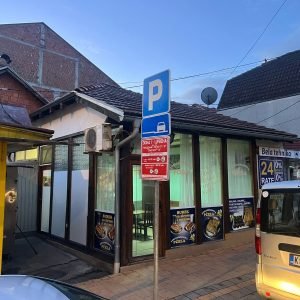
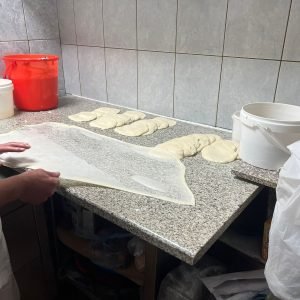
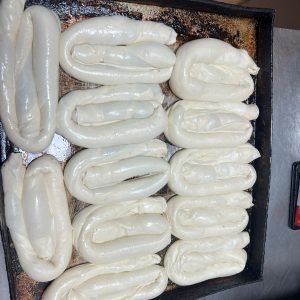
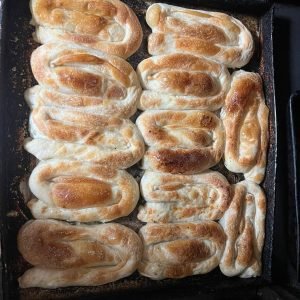
The first stop, without hesitation, should be the pastry shop “Pčela.” It was opened back in 1928 by Halim Ismailović, and ever since then, for almost a century, the family has preserved the same taste, the same way of working, the same warmth. Four generations have carried on this tradition, and the burek from “Pčela” has an almost mythical status in Brus. Crispy, warm, just the right amount of rich—one bite is enough to understand why no one from Brus passes by “Pčela” without stopping in. You won’t even need the address—just ask anyone on the street, and everyone will point you there.
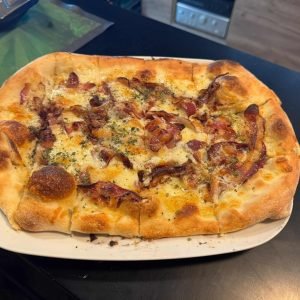
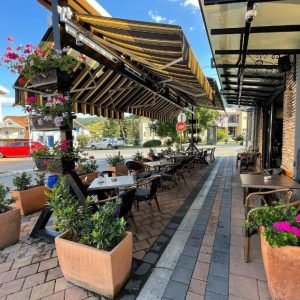
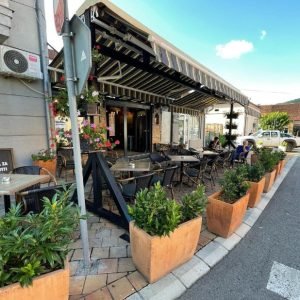
If you stay a little longer, just a bit further you’ll find the pizzeria “Chiasso,” opened on January 3, 1999. It was named after a small town in southern Switzerland, near the Italian border, but its spirit and flavors are truly Italian. Since the day it opened, the pizza recipe has never changed—and I can say that from my point of view, it must not be changed. Their pizza bread with bacon is simply something you must not miss.
The New Star of Brus
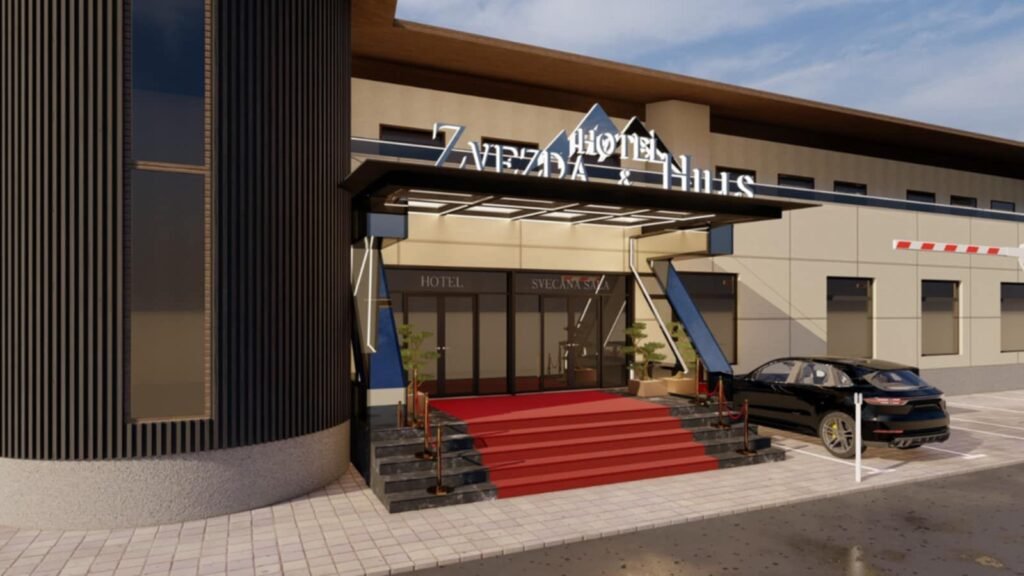
Today, Brus is becoming an increasingly important stop for tourists heading to Kopaonik, as the renovated hotel “Zvezda” will soon shine again in a new edition—a symbol of the town and once a favorite gathering place. The hotel’s new capacity will allow Brus to receive a larger number of visitors and enable more people to experience this region the way those of us who were born here know it—slowly, with no rush, with a view of the mountains.
Brus's Summer Rhythm
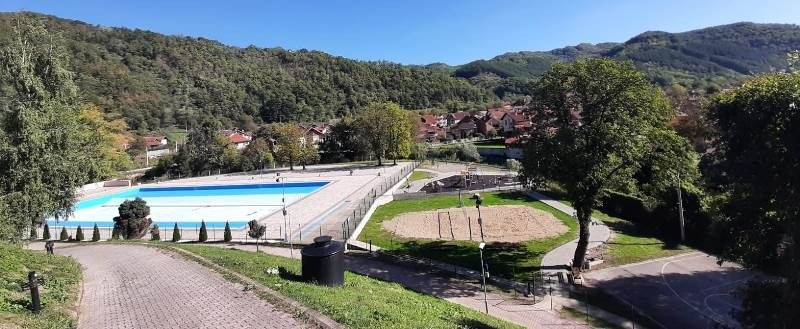
During the summer, the rhythm of life in Brus slowly shifts toward the large Olympic swimming pool, located below the city stadium, right next to the promenade along the Rasina River. Everything seems to flow there naturally—as if the place itself knows that it is Brus’s summer center. Voices of children learning their first dives mix with athletes training from early morning, people taking walks pausing to find a bit of shade, and senior citizens who come just to sit, lean back, and listen to the Rasina flowing by. That space, both calm and full of life, carries a special energy that Brus only has in the summer—a rhythm that is not loud, but present, easily felt, almost gentle. Together, it makes summer Brus breathe more slowly, widely, and deeply, just like the water that runs beside it.
izvor: Brus ONLINE – Naslovna
The View that Uncovers Župa
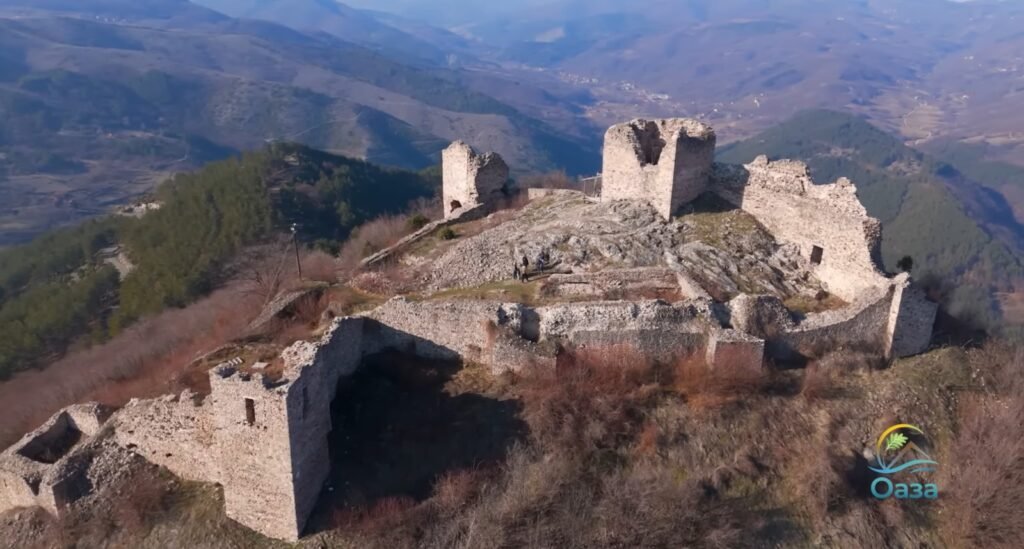
Just about ten kilometers away, above the Rasina valley and rising from the slopes of Mount Željin, stands the old town of Koznik—a medieval fortress from the 14th century, built at an altitude of 921 meters. Koznik Fortress was once an important stronghold in the time of Prince Lazar, and today only its stone walls remain—silent witnesses of past centuries, still testifying to the rich history of this region. From Koznik, the view stretches across the entire Župa area, and anyone who climbs up there understands how quietly beautiful this part of Serbia truly is. And when one feels the simplicity and ease of Brus, it becomes clear how often life outside it is rushed, hurried, and not always lived with quality. Brus reminds us that there is a pace that allows things to be felt and experienced, not just passed through.
izvor: yt/Oaza
Teodora Jezdic, 5 December 2025
Useful links:
- Official town site: https://www.brusonline.com/
- Hotel Zvezda: https://www.turizamopstinebrus.rs/accommodation_view.php?id=17
- Cover image: from CrniBombarder!!! under the patronage of GNU Free Documentation License, Version 1.2
Editovala: Milica KLAJIC