Author name: Isidora BAJCETIC

cuture eng, Non classé

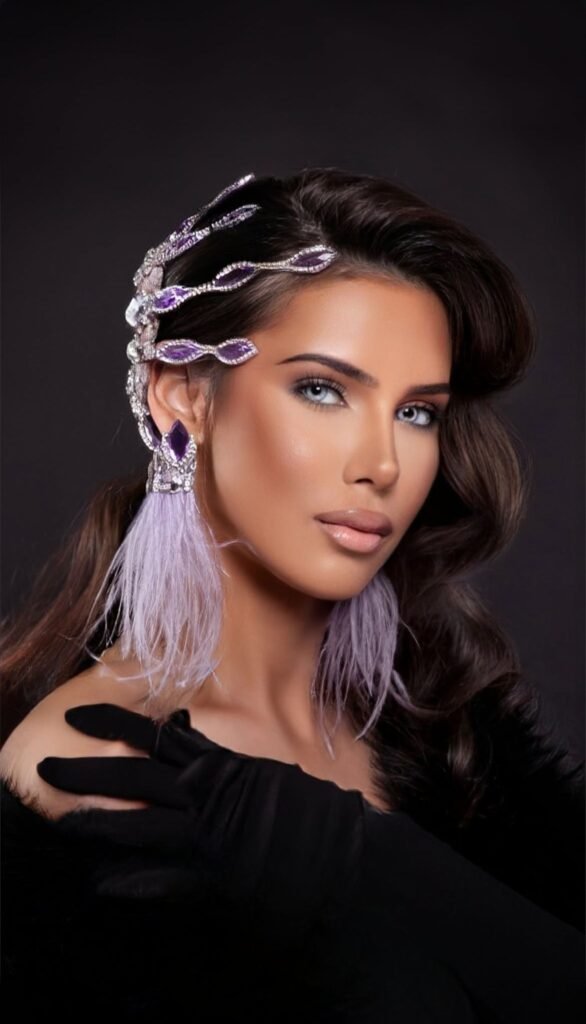
Miss Serbia 2026

Dear members of our community in France and throughout the diaspora, There are moments in life when, no matter where we were born or where we live today, we are brought back to what we carry deep within us—our roots. Serbia is not defined only by its borders, but by all of us who carry it in our hearts, in our language, in our families, and in the memories and dreams that we pass on to future generations. As a Serbian woman born in Paris and raised between two cultures, I have always known where I belong. My love for Serbia was nurtured through stories, traditions, music, holidays, and the values that were instilled in me from childhood. That is precisely why, for me, participating in the Miss Serbia 2026 pageant is much more than a competition—it is an honor, a source of pride, and a responsibility. The Miss Serbia 2026 Final will take place on 8 February 2026 at 9:00 p.m., with a live broadcast on Red TV. For those who will be in Belgrade, it would be a tremendous honor to see you in person at the MTS Hall, where together we can show that the diaspora and the homeland truly breathe as one. Tickets are available at: 👉 https://www.mtsdvorana.rs/dogadjaj/miss-world-serbia-2026 This is not only my journey—it is the story of a young generation in the diaspora that has not forgotten its roots. It is the story of a young woman who wishes to show that Serbia can be loved and cherished no matter where we were born. That our flag is carried in our hearts, and that our identity is preserved with pride. If you would like to support me, please vote for me – Contestant No. 9, Tanja Nikolić ❤️ Your vote is more than just a sign of support—it is a symbol that the diaspora stands with Serbia, that we believe in one another, and that together we can bring the crown home. Thank you from the bottom of my heart for every vote, every message, and every kind thought. May our bond be seen, heard, and felt—because Serbia lives wherever we are. 🇷🇸✨   Tanja Nikolić, 6 February 2026

cuture eng, Non classé

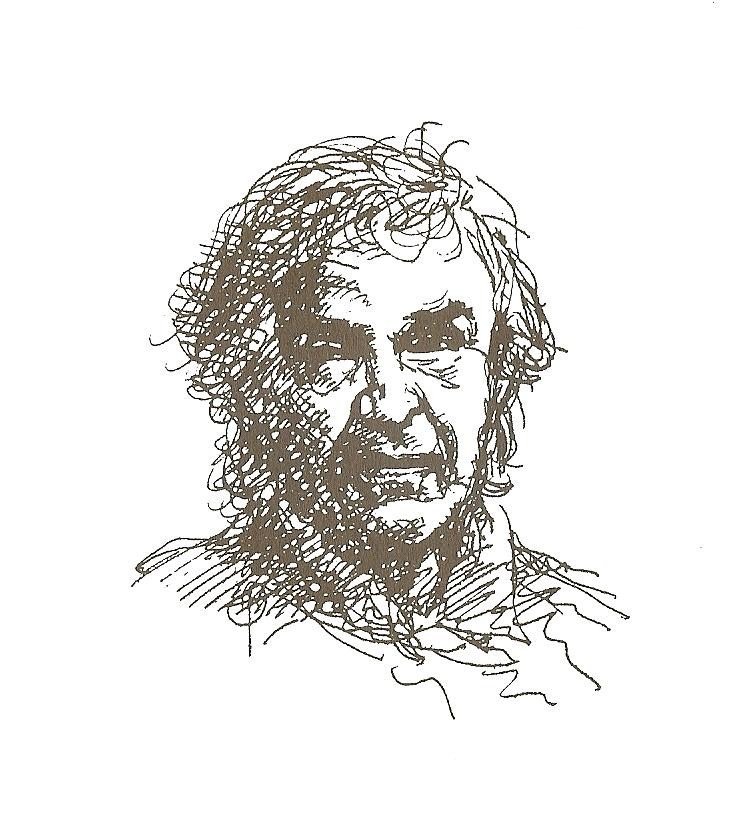
The Magic of Belgrade – Literary Review

The Magic of Belgrade – Momo Kapor The book every Serb must bring with them when they leave Serbia. I know—the title has taken you by surprise. As it should. That is precisely the feeling you experience when you first pick up Momo Kapor and plunge into the opening pages of his work. It happened to me on a February morning, when I came across The Magic of Belgrade on the shelves of the Sorbonne library and, almost by chance, began to read it. It awakened in me that familiar feeling I despise, the one that overcomes me time and again whenever I take off from Belgrade Airport toward that accursed West: the anguish, the pain, the tightening of the chest—all those emotions that we who seek a utopia in Western society feel each time we leave our homeland behind. You know the feeling yourselves; I need not remind you of those turbulent moments of parting. Momo Kapor will do so in my stead, more eloquently and more beautifully than I ever could. One of the most significant chroniclers of Belgrade—and indeed of all Serbia and the Serbian mentality—Kapor writes about something that extends far beyond the geographical boundaries of the Republic of Serbia and the region. Belgrade is, in fact, Serbia in miniature: a city to which people from all corners of the Serbian lands have always come, bringing with them their accents, mentalities, and habits, blending them into that unique Belgrade mixture. Momo Kapor himself belongs to that kind: an eccentric who came to Belgrade, a true Belgrader by choice, of the sort this city has always abounded in. And it is precisely from this dual position, as both observer and participant, that he succeeds in laying bare the Belgrade man to his very core. In my deepest conviction, Kapor is above all a chronicler of the Serbian mentality in its broadest sense. I say this on the basis of my own experience: I found myself on ninety percent of the pages of this book, despite having almost no connection to Belgrade beyond occasional visits. Just as the author himself once said—and as we all know—Belgrade is one great village, which is to say: Serbia. What particularly reveals the greatness of this writer is his constant walk along the thin line between patriotism and chauvinism, and the fact that he never once stumbles into the kind of praise that reeks of cheap sentimentality. This sense of measure is perhaps owed to his Herzegovinian side, much as it was in the case of Dučić and others who gave Serbia some of its most powerful voices precisely from that slightly displaced perspective. Why, then, is this book essential reading for every Serb who leaves Serbia? Because Kapor ultimately answers the question we all carry within us, no matter how hard we try to suppress it. Why, every single day, regardless of all we have achieved and everything we once hoped for, we have the feeling that something is missing. That we are incomplete. That there is one final piece absent from the puzzle, the piece that would complete the perfect mosaic of life in the West. Kapor offers us possible answers, and he does so with a lightness that hurts more than any philosophical debate. Perhaps it is the smell of sauerkraut that greets you the moment you step into your apartment building. Perhaps it is the bench where you kissed a girl for the first time. Perhaps it is that tavern in Skadarlija where you first got drunk and, paradoxically, first felt perfectly at home. These are all the little things we never take into account when we pack our suitcases and leave forever for a place where none of them exist, and where, only then, those very same trifles begin to haunt us like the loveliest of ghosts. For, with that characteristically subtle and gentlemanly finesse of his, Kapor has left us a gallery of characters we shall mourn forever: those cosmopolitan Belgraders, native sons of the city who, when you meet them in Paris or Geneva, themselves no longer know how to reconcile what they once were with what they have become. I often speak of them with my friends, because that type of person—elegant beyond place and time—exists only among “Beogradjani” and nowhere else. Kapor portrays them in several chapters that, to me, are among the most vivid in the book: The Belgrade Flea Market, with all its virtues that the native Belgrader nevertheless despises, because nothing there is as perfectly ordered as in his father’s apartment on Mackenzie Street; but also in the chapter titled Return to the Homeland, where coming back to one’s country becomes the most intimate and cruel mirror of the self, the naked truth. Then there are chapters such as A Belgrader in Switzerland, In the Great World, and Belgrade Is the World, which together form an unwritten map of the Serbian soul scattered across foreign meridians. Yet this book is not indispensable only to those who have already left. It is equally necessary for every Serb who has ever entertained the thought of leaving but has not yet taken that step. Every time that they feel that they have had enough of everything, let them pick it up and read only a few chapters; they will understand why Serbia is not a country like any other, why it is a place that exists nowhere else in the world. And there is one more group for whom this book is simply essential: foreigners who wish to understand the Serbian mentality to its very core, who wish finally to grasp why they are so fascinated by us whenever they meet us somewhere in the world. From Alaska to New Zealand, everyone who comes to Serbia leaves pleasantly surprised. When we ask them why, we ourselves do not know how to answer, and together we remain puzzled by that little miracle. Well then, to both them and to us, Momo Kapor offers

Discover serbia, Non classé

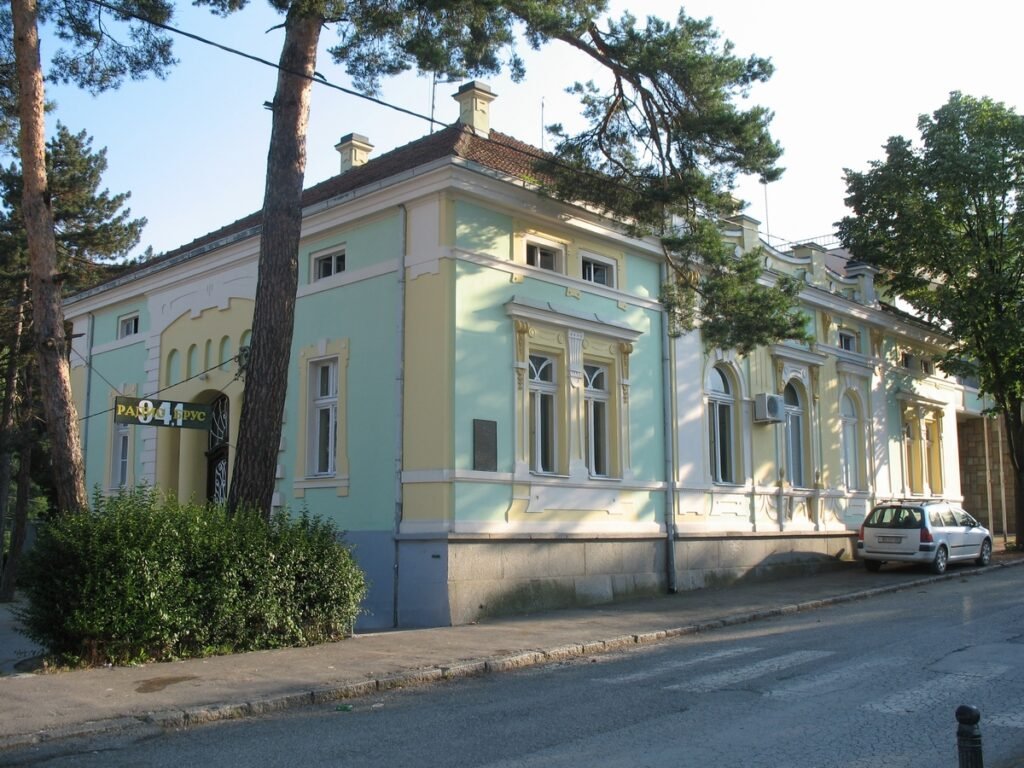
Brus, a Little Town at the Foot of Kopaonik that Smells of Tradition

History’s Traces at the Heart of Kopaonik Brus, as a town, appears in 1833, when Prince Miloš Obrenović ordered that a church be built “at Brus” and that a settlement be formed as a strategic stronghold for the defence of Župa and Kopaonik. The very name is explained by the shape of the land between the Rasina and Graševačka rivers, which resembles a sharpening stone. However, the roots of the surrounding villages go much further back in time. Their names are recorded in medieval sources from the 14th century and in Ottoman records from the 15th century, and they most often originate from the occupations of their inhabitants, the natural features of the landscape, or legends that preserved memories of old battles and settlements. Thus, names such as Đerekari and Zlatari point to falconry and gold washing, Graševci to Roman smelting sites, Razbojna to the battles of Prince Lazar and John Hunyadi, while the folk legends of Kobilje and Žilinci (Žiljci) preserve traces of resettlement after the Battle of Kosovo. Many settlements were named after trees—Vrbnica, Drenova, Grabovnica, or Lipovac—while others reflect the occupations of their first settlers, such as Tršanovci, Ribari, while the village of Kriva Reka was named after the distinctive course of the river of the same name. The villages of Brus thus preserve to this day the layered history of the Kopaonik region: traditions, beliefs, and memories woven into their names remain a lasting testimony to the lives of ancestors and the rich cultural heritage that shaped this area. To Chase the Aroma of Food Nestled at the foot of Kopaonik, Brus is a small town that at first glance seems calm and unassuming, but behind its simplicity lies a special warmth and spirit rarely encountered. One cannot head toward Kopaonik without passing through Brus—a little town that, right at its entrance, already radiates tradition, a hospitable atmosphere, and flavors that are remembered. The first stop, without hesitation, should be the pastry shop “Pčela.” It was opened back in 1928 by Halim Ismailović, and ever since then, for almost a century, the family has preserved the same taste, the same way of working, the same warmth. Four generations have carried on this tradition, and the burek from “Pčela” has an almost mythical status in Brus. Crispy, warm, just the right amount of rich—one bite is enough to understand why no one from Brus passes by “Pčela” without stopping in. You won’t even need the address—just ask anyone on the street, and everyone will point you there. If you stay a little longer, just a bit further you’ll find the pizzeria “Chiasso,” opened on January 3, 1999. It was named after a small town in southern Switzerland, near the Italian border, but its spirit and flavors are truly Italian. Since the day it opened, the pizza recipe has never changed—and I can say that from my point of view, it must not be changed. Their pizza bread with bacon is simply something you must not miss. The New Star of Brus Today, Brus is becoming an increasingly important stop for tourists heading to Kopaonik, as the renovated hotel “Zvezda” will soon shine again in a new edition—a symbol of the town and once a favorite gathering place. The hotel’s new capacity will allow Brus to receive a larger number of visitors and enable more people to experience this region the way those of us who were born here know it—slowly, with no rush, with a view of the mountains. Brus’s Summer Rhythm During the summer, the rhythm of life in Brus slowly shifts toward the large Olympic swimming pool, located below the city stadium, right next to the promenade along the Rasina River. Everything seems to flow there naturally—as if the place itself knows that it is Brus’s summer center. Voices of children learning their first dives mix with athletes training from early morning, people taking walks pausing to find a bit of shade, and senior citizens who come just to sit, lean back, and listen to the Rasina flowing by. That space, both calm and full of life, carries a special energy that Brus only has in the summer—a rhythm that is not loud, but present, easily felt, almost gentle. Together, it makes summer Brus breathe more slowly, widely, and deeply, just like the water that runs beside it. izvor: Brus ONLINE – Naslovna The View that Uncovers Župa Just about ten kilometers away, above the Rasina valley and rising from the slopes of Mount Željin, stands the old town of Koznik—a medieval fortress from the 14th century, built at an altitude of 921 meters. Koznik Fortress was once an important stronghold in the time of Prince Lazar, and today only its stone walls remain—silent witnesses of past centuries, still testifying to the rich history of this region. From Koznik, the view stretches across the entire Župa area, and anyone who climbs up there understands how quietly beautiful this part of Serbia truly is. And when one feels the simplicity and ease of Brus, it becomes clear how often life outside it is rushed, hurried, and not always lived with quality. Brus reminds us that there is a pace that allows things to be felt and experienced, not just passed through. izvor: yt/Oaza Teodora Jezdic, 5 December 2025 Useful links:  Official town site: https://www.brusonline.com/ Hotel Zvezda: https://www.turizamopstinebrus.rs/accommodation_view.php?id=17 Cover image: from CrniBombarder!!! under the patronage of  GNU Free Documentation License, Version 1.2 Editovala: Milica KLAJIC

Discover serbia, Non classé

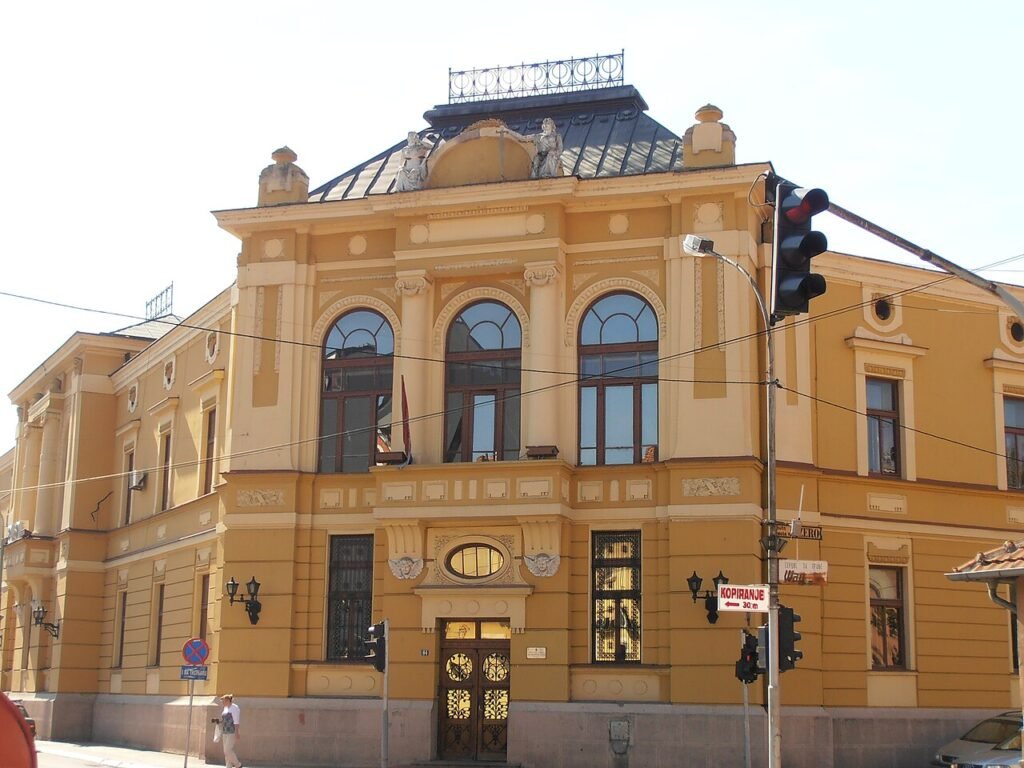
Jagodina, A City Rooted in Tradition and Looking Toward a Bright Future

Jagodina is a city located in central Serbia, known for its long history, rich culture, and the warm hospitality of its residents. With around 35,000 inhabitants, it represents an important center of the Pomoravlje region and Šumadija, and for centuries it has been a place where different cultures and influences have met. History and Development The history of Jagodina dates back to Roman times, as confirmed by numerous archaeological findings in the surrounding area. During the Middle Ages, this region was part of the Serbian medieval states, and under Ottoman rule Jagodina went through various phases of development and change. Nevertheless, the city managed to preserve its identity and traditions. In the modern era, Jagodina became known as an industrial and economic center. The textile, food, and metal industries were developed, providing employment for many residents and contributing to an improved standard of living. Culture and Education The culture of Jagodina holds a special place. The city is rich in theatres, museums, and galleries that preserve and promote art and tradition. The National Theatre in Jagodina is known for its high-quality performances and its contribution to the cultural life not only of the city but of Serbia as a whole. Education is one of the city’s priorities. Jagodina has several primary and secondary schools, as well as various educational centers that provide young people with opportunities to gain knowledge and skills. The local community invests significantly in the development of education, understanding that young people are the key to the city’s future. Nature and Tourism The surroundings of Jagodina are rich in natural beauty. The proximity of the Velika Morava River and green forests provides ideal conditions for rest and recreation. Within the city itself, there are several parks and green areas that are popular spots for walking and family leisure. The tourist attractions of Jagodina are becoming increasingly diverse. It is especially known for its Zoo, one of the most visited in Serbia, which is a favourite destination for both children and adults. In addition, there is the Aqua Park Jagodina, a modern water park that attracts visitors from across the country and beyond. Image : Cveleglg, licence CC BY 4.0. Sports and Recreation    Sport plays an important role in Jagodina. The city has a rich sporting tradition and successful clubs in various disciplines such as handball, football, basketball, and athletics. Sports fields, halls, and recreational centers are available to all citizens, contributing to a healthy lifestyle and stronger social connection. Image : Draganstojkov007, pod pokroviteljstvom  Creative Commons Attribution-Share Alike 3.0 Unported People and Community The most important resource of Jagodina is its people. The residents are known for their warmth, hospitality, and sense of togetherness. Traditional values such as respect for family, work, and friendship are still deeply rooted in everyday life. The community is active and often organizes various events, humanitarian actions, and cultural gatherings that strengthen social bonds. The Future of Jagodina Jagodina is a city that is constantly looking ahead. Investments in infrastructure, education, culture, and tourism form the foundation for a bright future. The local authorities, together with the citizens, are working to make the city an even better place to live, with opportunities for youth development and for talented people to stay and grow. For me, Jagodina is more than a city—it is a place where dreams are born, where tradition is nurtured, and where the future is built. A city where I am proud to live and to contribute to its development. Tania Nikolić, 14 November 2025 Useful links:  Official town website: Град Јагодина – Град будућности – Насловна страница – Добродошли Aqua Park Jagodina: Aqua Park Jagodina  Cover image: Ванилица — under the patronage of Creative Commons Attribution-Share Alike 4.0 International

cuture eng, Non classé

When Footsteps Echo in Prnjavor

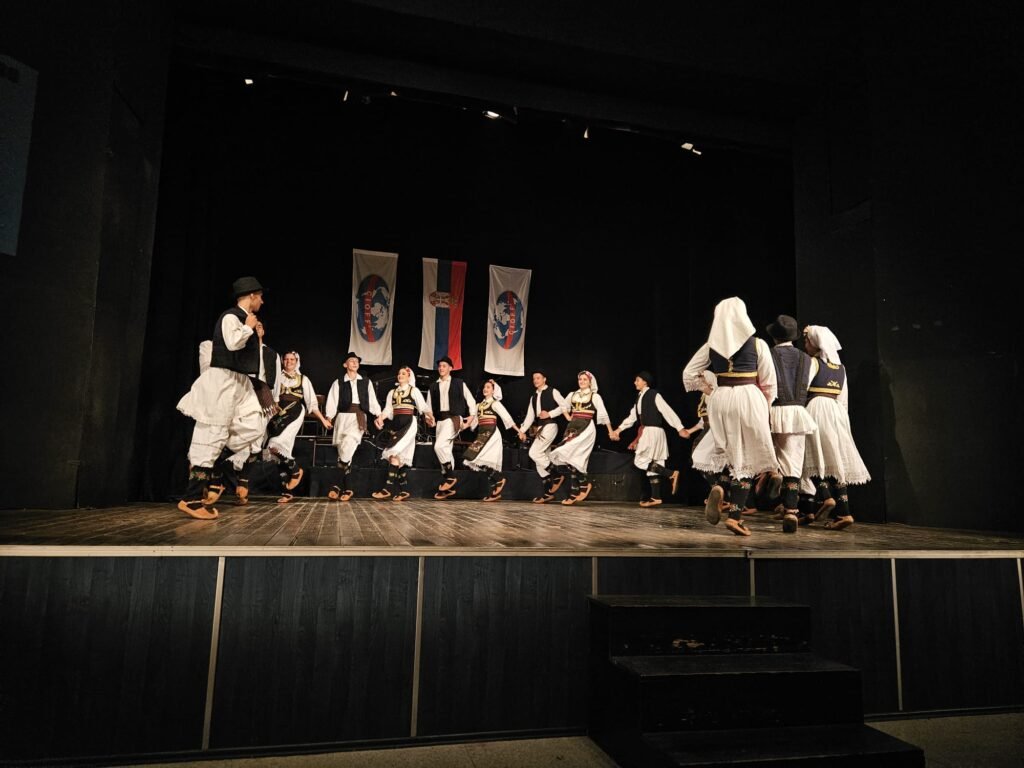
A CIOFF evening celebrating tradition and friendship among nations Prnjavor (Mačva, Serbia), 8 August 2025 — At the Cultural Center in Prnjavor, even if only for one evening, the stage became a crossroads of traditions. Bright costumes, captivating rhythms, and knowing glances—the entire hall pulsed with the same rhythm. About CIOFF CIOFF (International Council of Organizations of Folklore Festivals and Folk Arts) brings together festivals, ensembles, and enthusiasts with the aim of preserving, promoting, and passing on the world’s folk cultures. Its hallmark is the encounter on stage, rooted in respect for identity and a desire for sharing. A hall that gathers people together The performance took place in a hall, on a stage, in a setup close to theater: clear entrances and exits, precise lighting design, and transitions rehearsed down to the smallest detail. The overall impression? A demanding presentation that highlights both the performers and the folklore, supported by smooth, well-coordinated organization. Djenka, ceremony host A special tribute to Djenka, the host and true running thread of the evening. He changed outfits—sometimes in the colors of Serbia, sometimes as a subtle gesture of respect to the invited countries—showing a strong sense of rhythm and understated humor. He introduced each ensemble, showed respect for the performers, and effortlessly drew the audience in. With every appearance, the right word; with every finale, a shared smile. The Ensembles: Highlights and Impressions Argentina — The Pulse of Sharing A warm, almost family-like energy. You can feel generations calling out to one another, movement being inherited and reimagined anew. The sound of footsteps calls out, and the hall responds: a virtuous circle that leaves a lasting smile on the face. Russia — Sleek Lines, Held Breath Burning youth, upright posture, precise lines. Lifts and jumps brush against the virtuosity of artistic gymnastics, without ever losing the musicality of folklore. A few moments seem frozen in the air, followed by sincere applause. Cyprus — The Art of Balance Here, elegance is hidden in detail: carefully handled props, measured entrances, and subdued exits. A choreography in which every pause carries weight, where the collective matters more than display. One island, one soul. France (Brittany) — Briny Wind Packed circles, joined hands, an insistent rhythm: Brittany explains nothing, it draws you in. One finds oneself following the beat, as if captured by some inner dance. Republika Srpska — Pride and Precision Impeccable lines, precise accents, flawless posture. That blend of discipline and joy that gives large ensembles their brilliance: unison as a promise, costume as celebration. Serbia — Home, Roots When Serbian ensembles enter, the hall changes. The power of the rhythms, the joy of the circles that are formed, the confidence of inherited steps. This is our home, and it is open to everyone: Serbian hospitality, expressed through music and movement. A moment of tribute The highlight of the evening: each ensemble took one Serbian motif and blended it with its own choreographic language. A variation on the kolo as a tribute to the host country: respect for tradition, freedom of interpretation. Unity in diversity—the CIOFF spirit in action. Why it matters to FYSE For the Federation of Young Serbs of Europe, this evening is a bridge: between the youth of Europe, between family memories and today’s stage, between the Serbia we carry within us and the curiosity we are proud of. Tradition is not a museum—it breathes when it is danced, and it is passed on when we invite someone to join the kolo. Thank you Thank you to CIOFF for the invitation and the trust. Thank you to the Cultural Center in Prnjavor for its attentive hospitality. Thank you to the ensembles for their generosity. And above all, thank you to Djenka: your art of presenting, connecting, and paying tribute to both artists and audience gave rhythm to the entire evening.

Discover serbia, Non classé

The Natural Beauty of Serbia: The Quiet Strength of the Balkans

When we think of Serbia, we often first think of history, folk traditions, food, or sports. But what we sometimes forget or simply take for granted is nature. And Serbia’s nature truly has a lot to offer. From green mountains to powerful rivers, from peaceful lakes to dense forests and vast plains, with around 4,300 species of vascular plants (flowering plants and ferns), this country hides landscapes that can surprise even those who think they already know it well. Serbia’s Mountains Mountains are a special part of Serbia’s story. Tara, Kopaonik, Zlatibor, and Stara Planina—each of them has its own rhythm, its own scents, colors, and stories. Tara is perhaps the quietest among them, perfect for those seeking peace and a close connection with nature. There you can still come across places with no reception, but with a silence that we no longer hear in cities. Kopaonik is already a well-known destination for skiing and tourism, but in the summer, when everything calms down, it becomes a mountain of golden meadows, walking trails, and open skies. And all of this, within easy reach. Serbia’s Rivers and Caves The rivers are a story of their own. The Danube is vast and powerful, carrying with it the history of entire nations. The Drina is wild and green, perfect for rafting and for those moments when you just want the water to speak instead of you. The Morava, Sava, and Lim—each river has its own audience, but together they form a network of life that connects one end of the country to the other. Caves, springs, and lakes in Serbia are often unknown to most people, yet they are true little wonders. The Resava Cave, for example, looks like an underground castle. Lakes such as Perućac, Uvac, and Zaovine offer not only swimming and relaxation—they are also home to rare bird species, plants, and a kind of peace that cannot be put into words. A special experience is flying over the meanders of the Uvac River, where you can see the griffon vulture circling high above the canyon. Such images stay in your memory forever. And the most beautiful part—there are still areas of Serbia untouched by tourism, villages reached only by gravel roads, valleys accessible only on foot, forests crossed only by the wind and the occasional trace of wild animals. There, nature is not a backdrop—you are part of it. And that is perhaps the most valuable thing Serbia offers today. That is why, instead of constantly looking outward, it is sometimes worth stopping and looking around. Maybe right there, behind the next hill, there is a view waiting that will change the way you see everything. Tania Nikolić, 25 Jun 2025

Scroll to Top